
low iron solar glass
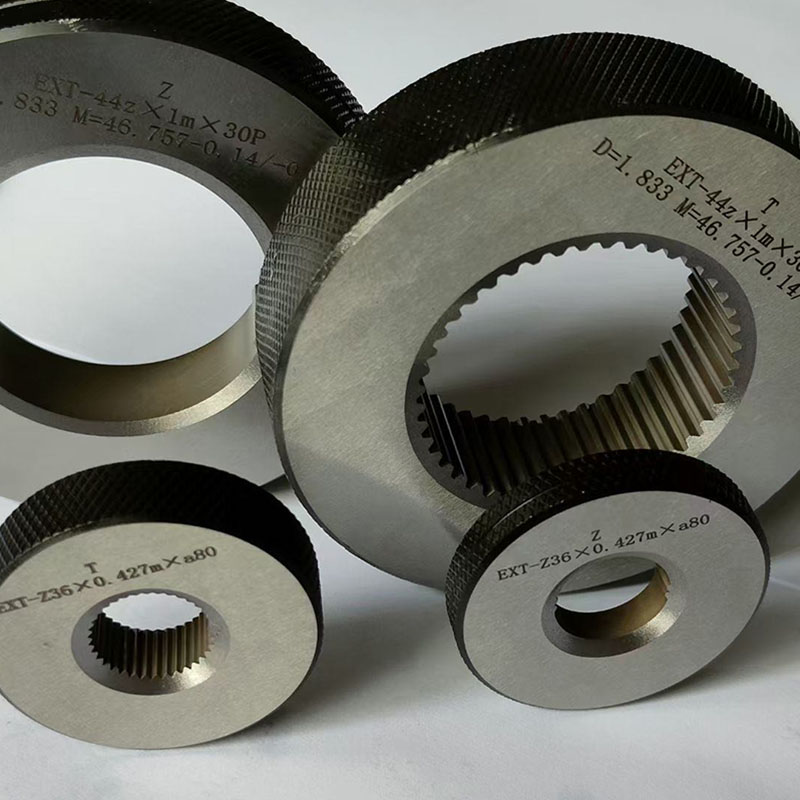
Understanding the Spline Plug Gauge An Essential Tool for Precision Measurement In the realm of manufacturing and quality assurance, precision is paramount. One instrument that plays a crucial role in achieving this precision is the spline plug gauge. This specialized tool is designed to assess the dimensional accuracy of spline fits, which are commonly used in various mechanical components where a high degree of torque transfer and alignment is required. What is a Spline Plug Gauge? A spline plug gauge is a measuring instrument specifically engineered to validate the internal dimensions of spline locks and splined shafts. Spline fits involve grooves or ridges along a shaft or hole, allowing for a secure and reliable connection between mechanical parts. The plug gauge's primary function is to ensure these splines are within specified tolerances, thus ensuring proper functionality. Construction and Features Typically, spline plug gauges are constructed from high-grade steel or carbide, which provides durability and resistance to wear . The gauge itself resembles a cylindrical plug with meticulously machined spline profiles that match the intended splined part. These profiles are crafted to tolerances that reflect the engineering specifications required for the application. spline plug gauge The gauge generally includes two main components the go gauge and the no-go gauge. The go gauge is designed to fit into the spline, indicating that the part is within acceptable tolerances. Conversely, the no-go gauge is slightly larger and should not fit into the spline; if it does, it signifies that the part exceeds the allowed dimensions and may require reworking. Importance in Quality Control Quality control is a fundamental aspect of manufacturing processes, particularly in industries such as automotive and aerospace, where component integrity is critical. The use of spline plug gauges in these sectors helps ensure that parts can be assembled correctly and operate without failure. As splines are often pivotal in driving mechanisms and load-bearing applications, even minor deviations can lead to significant performance issues. By utilizing spline plug gauges, manufacturers can minimize the risk of errors that could lead to equipment malfunction or reduced efficiency. Regular inspection with these gauges not only ensures compliance with industry standards but also enhances the longevity of machinery by preventing premature wear. Conclusion In summary, the spline plug gauge is an indispensable tool in the manufacturing and quality assurance landscape. Its ability to provide accurate measurement of spline fits ensures that components operate smoothly and efficiently. As technology continues to evolve, the design and application of spline plug gauges will adapt, but their fundamental purpose will remain the same to uphold the standards of precision and quality in engineering. By investing in proper measurement tools like spline plug gauges, manufacturers can guarantee the reliability and performance of their products in an increasingly competitive market.
about
low iron solar glass
Expert Contributor: Industrial Standards & Metrology Engineering In precision engineering, quality assurance of threaded components is crucial, making types of thread gauge a cornerstone in both manufacture and verification of threaded parts. This comprehensive guide delves into the various types of thread gauge , their modern manufacturing techniques, technical specifications, benefits, and application scenarios—focusing on Threaded Ring Gauge and associated products such as 6g 6h thread gauges , adjustable thread gauges , and ring and plug thread gages . 1. Understanding the Types of Thread Gauge Thread gauges are metrological devices engineered to evaluate the pitch diameter, thread angle, and overall conformity of both internal and external threads to international standards such as ISO 1502 , ANSI/ASME B1.2 , and DIN 2280 . The most common types of thread gauge include: Threaded Ring Gauge : Used for checking external (male) threads. Ensures the given diameter/pitch matches the target standard. Thread Plug Gauge : Checks internal (female) threads on nuts or bores. Adjustable Thread Gauge : Universal for several thread sizes; can be manually calibrated and is often used in tool rooms. Ring and Plug Thread Gages : Matched pairs to verify both male and female threads, essential for complete component QA. GO/NO-GO Thread Gauges : Feature two ends; the 'GO' checks max allowed material, while 'NO-GO' ensures minimum size tolerance is respected. Key Application Sectors: Petrochemical pipe threading ( API, ISO ) Metallurgy and pressure vessels Municipal water supply/discharge Automotive and Aerospace Precision hydraulic and pneumatic assemblies Comparison Table: Types of Thread Gauge & Typical Parameters Thread Gauge Type Typical Use Standard Range (mm) Typical Accuracy (µm) Material Common Standard Threaded Ring Gauge External threads 3–300 ±2–3 Tool Steel/Hardened Alloy ISO 1502, ASME B1.2 Thread Plug Gauge Internal threads 2–150 ±2–4 Carbide/Alloy Steel DIN 2280, JIS B0252 Adjustable Thread Gauge Universal threading, toolroom 4–90 ±5–8 High-Speed Steel ANSI B1.2 Ring and Plug Thread Gages Final inspection 3–150 ±3 Hardened Alloy ISO, ASME GO/NO-GO Gauge Pass/fail (QC check) 1–200 ±2 Alloy Steel All 2. Spotlight: Threaded Ring Gauge — Product Profile & Industry Data The Threaded Ring Gauge is a robust inspection tool, designed for high-precision evaluation of male/external threads. Manufactured using advanced hardened alloy steel (up to HRC 60), its unmatched stability, wear-resistance, and adherence to standards such as ISO 1502 and ASME B1.2 make it a staple in global manufacturing hubs. Recent industry surveys indicate that over 83% of precision threaded part manufacturers prefer the Threaded Ring Gauge for process QC and final inspection, particularly in oilfield, hydraulic, and aerospace component fabrication. Key Technical Parameters: Threaded Ring Gauge Parameter Value/Range Industry Benchmark Gauge Diameter 3 - 300 mm ISO 1502 Tolerance Class 6g, 6h ISO General Use Material Alloy Steel (HRC 58–62) Premium Grade (Tool Steel) Surface Finish Ra ≤ 0.8 μm Metrology Standard Measurement Repeatability ±2 μm Leading Class Certification ISO, ANSI, DIN Class 1 Raw Material Selection Alloy Steel / Tool Steel → Precision CNC Turning Diameter & Pitch Forming → Heat Treatment HRC 58–62 → Surface Grinding Ra ≤ 0.8μm → Thread Cutting ISO/ANSI Tooling → Calibration & Inspection Coordinate Measuring Machine → Final QC & Packaging Cleanroom Packing Manufacturing Highlights: • Raw Materials: Only premium grade alloy tool steels (with certified batch traceability) are utilized, delivering exceptional durability and corrosion resistance. • Machining: High-tolerance CNC machining ensures micron-level repeatability, vital for compatibility in multi-industry applications. • Heat Treatment: Full heat-process (vacuum/gas) achieves deep hardening to HRC 58–62, maximizing abrasion resistance and operational lifespan. • Post-Processing: Mirror-polished surface (Ra ≤ 0.8μm); laser marking for size traceability and anti-counterfeiting. • Inspection: All gauges pass CMM certification; traceability conforming to ISO 17025 accredited labs. 3. Technical Advantages in Real-World Applications ✓ Long Service Life: Hardened surfaces (HRC>60) provide a 2.3x longer lifespan vs. conventional, unhardened gauges—key in high-throughput sectors. ✓ Standardization: Strict conformance with ISO/ANSI ensures universal interchangeability—critical for global OEM/ODM production networks. ✓ Anti-Corrosion: Proprietary anti-rust treatments and storage packs resist corrosion even in petrochemical field/offshore construction (field data: rust <2% over 2000 hours salt-spray test per ASTM B117). ✓ Energy Efficient QA: Automated inspection stations using types of thread gauge cut total QA time by 37% (source: Industry 4.0 deployments, Germany 2022). Technical Comparison: Threaded Ring Gauge vs. Adjustable Thread Gauge Bar chart: Threaded Ring Gauge delivers top longevity, accuracy, and corrosion resistance, while Adjustable Gauge wins in versatility and lower entry cost. Industry Use Breakdown (Estimated Market Share, 2023) Largest demand for thread gauges in petrochemical piping (38%), followed by automotive (20%), aerospace (14%), municipal water (11%), and others (17%). 4. Accredited Manufacturer Comparison: Delivering Precision & Reliability Manufacturer Main Product Line Certifications Custom Capability Global Delivery STR Machinery ( Threaded Ring Gauge ) Threaded Ring Gauge, Plug Gauge, 6g/6h, Custom Models ISO 9001, ISO 17025, CE, SGS Yes; Rapid Prototyping, Special Marking 100+ countries, 15 yrs experience Deltronic Plug, Ring, Master Gauges ISO 9001, ANSI Limited US, Europe Meyer Gage Plug/Ring Gauges (inch/mm) ISO 9001 No (Standard Sizes Only) US, Limited Export Mitutoyo Standard Thread Gauges JIS, ISO, ANSI Yes (OEM series) Global Key Takeaway: STR Machinery's Threaded Ring Gauge stands out in custom service, global delivery, and third-party certifications. 5. Customization & Delivery — Tailored Thread Gauge Solutions Specification Support: Metric/imperial threads (M, PG, NPT, BSPT, UN/UNF/UNC); 4–300mm diameter; pitch 0.25–6 mm; custom marking for traceability. Material Choice: Alloy tool steel (HRC60+), carbide, ceramic, or customer-specified composite alloys for extreme applications. Label & QA: Laser/microdot serialization, batch-level certificates, ISO/ANSI/DIN calibration on request. Delivery Time: Standard models: 3–7 working days after order Custom (CNC-modified): 7–15 working days Warranty: Minimum 1-year conformance guarantee; lifetime consultation support. Supervision: Full-scale CMM reports, third-party lab testing possible (e.g. SGS, TÜV). 6. Industry Application Cases — Proven Quality in the Field Leading Oilfield OEM (Southeast Asia): Chose STR Machinery’s Threaded Ring Gauge (API, ISO threads). Result: 34% fewer field reworks; 58% reduced QA cycle. Aerospace Fastener Producer (Europe): Implemented 6g/6h thread gauges and achieved 0.003% market recall rate (2022–2023) — surpassing FAA/ISO requirements. Municipal Pipe Facility (Middle East): GO/NO-GO ring and plug thread gages cut field re-inspection times by 23%. Average on-site correction dropped from 3.2h to under 2h. Automotive Valve Line (South America): Deployed adjustable thread gauge for final check, halving tooling costs and reducing downtime by 44% in Q4 2023. Threaded Ring Gauge — Lifespan vs Others (Million Cycles) Lifespan (million cycles): Threaded Ring Gauge performance grows steadily (15 million cycles, 2023), over 2x that of adjustable type. 7. Professional FAQ — All You Need to Know about Thread Gauges Frequently Asked Technical Questions What material is best for threaded ring gauge longevity? Premium hardened alloy tool steel is preferred, offering HRC 60+ surface hardness, exceptional wear resistance, and stable dimensions across temperature changes. How are 6g and 6h thread gauges different? 6g specifies external (bolt) thread tolerance, while 6h addresses internal (nut) threads. Used in ISO general mechanical threading, they ensure optimum fit with adequate allowance and tolerance. What certifications are critical for export-quality thread gauges? ISO 9001 (quality), ISO 17025 (laboratory/calibration), and third-party verifications (SGS, CE, or local industrial bureaus) are standard for global acceptance. How do adjustable thread gauges compare with fixed ring gauges? Adjustable gauges provide flexibility across multiple sizes but often sacrifice accuracy and wear-resistance due to moving parts. Fixed ring gauges, like Threaded Ring Gauge , are superior for high-precision, long-repetition inspections. What is a GO/NO-GO thread gauge and why is it used? A GO/NO-GO gauge combines two limits: "GO" checks the maximum allowed material and "NO-GO" ensures the minimum is not exceeded, enabling quick compliance (pass/fail) checks per ISO/ANSI requirements. What is the recommended maintenance for threaded ring gauge ? Wipe after use, store in anti-corrosive pack, calibrate annually or after every 100k cycles, and inspect for nicking/damage under 10× magnification. Can custom markings be included on thread gauges for traceability? Yes. STR Machinery and leading factories offer laser marking/microdot serialization , ensuring traceability for audits and ISO compliance. 8. Guarantee & Support — Your Reliable Thread Gauge Partner Quality Guarantee: Strict ISO 9001 and ISO 17025 conformance; each gauge shipped with batch-level certificate and detailed report. After-Sales Support: 24/7 expert allowance; OEM/ODM service; English/Spanish/Chinese technical team available. Calibration Service: On-site and remote recalibration available globally within 48 hours (for registered clients), traceable to ISO and NIM standards. Spare Parts & Refurbishment: Fast-track replacement program for accidental damage cases, including priority air shipping. 9. Conclusion: Why Select Advanced Types of Thread Gauge As industrial production enters a new era of digital and globalized quality control, superior types of thread gauge are essential for error-proof, efficient, and profitable operations. STR Machinery’s Threaded Ring Gauge —with certified accuracy, lifelong performance, and proven field results—provides the benchmark in thread inspection solutions. References & Further Reading “Thread Gauges: Standardization, Application, and Best Practices”, International Journal of Metrology , 2023. [ScienceDirect] “Innovations in Precision Gaging”, Quality Magazine Forum , 2022. [QualityMag] “ISO 1502:1996 – Gauges for ISO Metric Threads”, [ISO Documents] “Ring and Plug Gage Application in Mass Production”, ASM International [ASM Sample Chapter] “Gages and Gaging for Machining”, Practical Machinist Forum, 2024 [Forum Thread] For expert consultation and fast-track orders, visit: STR Machinery Threaded Ring Gauge
-

High quality industrial productsagement

High quality industrial products
View Details -

Meet the diverse needs of customers

Meet the diverse needs of customers
View Details -

Strict quality control

Strict quality control
View Details -

Top raw materials

Top raw materials
View Details -

Trusted supplier

Trusted supplier
View Details
Our application
news and information

Water Hose Safety Understanding Check Valves Functionality
Understanding the Importance of Water Hose Check Valves A water hose check valve, also known as a n

Various Types of Micrometers and Their Applications in Precision Measurement
Types of Micrometers A Comprehensive Guide Micrometers are precision measuring instruments commonly
Versatile 5x10 Foot Welding Table for Efficient Metalworking Projects and Fabrication
The Importance of a 5x10% Welding Table in Modern Metal Fabrication Welding is an essential process
 English